Blog
In-depth, fact-checked space journalism
 CosmosIn60
In-depth, fact-checked space journalism
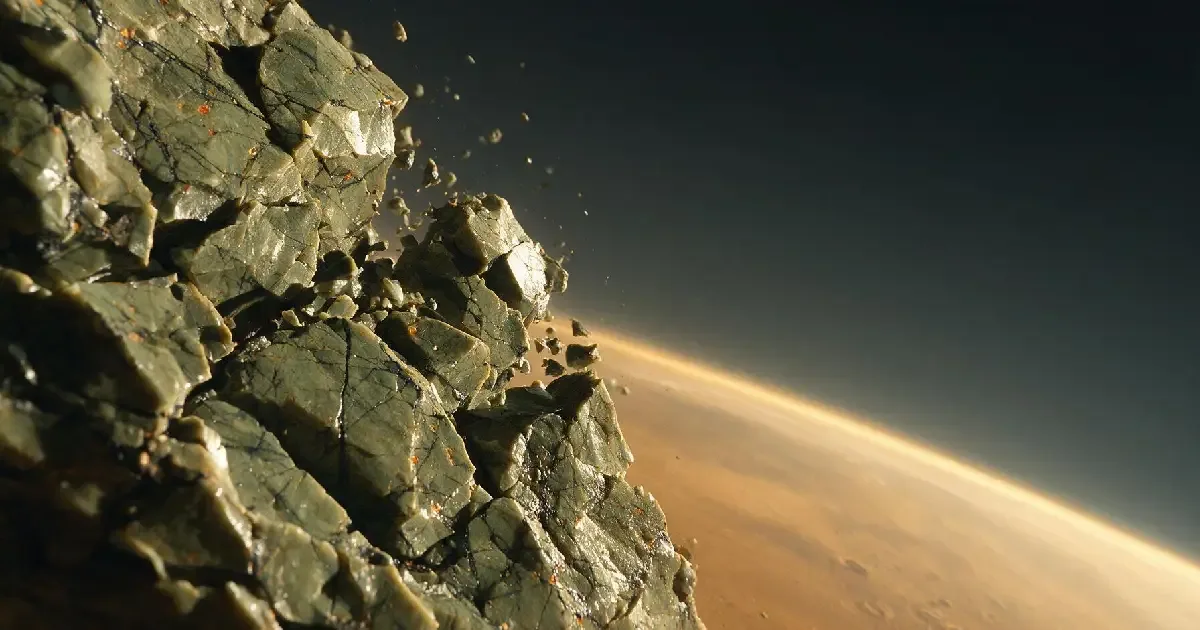
NASA said Mars meteorite ALH84001 held fossils in 1996. Set beside Perseverance's 2025 Cheyava Falls find, it shows what any Mars life claim must now survive.
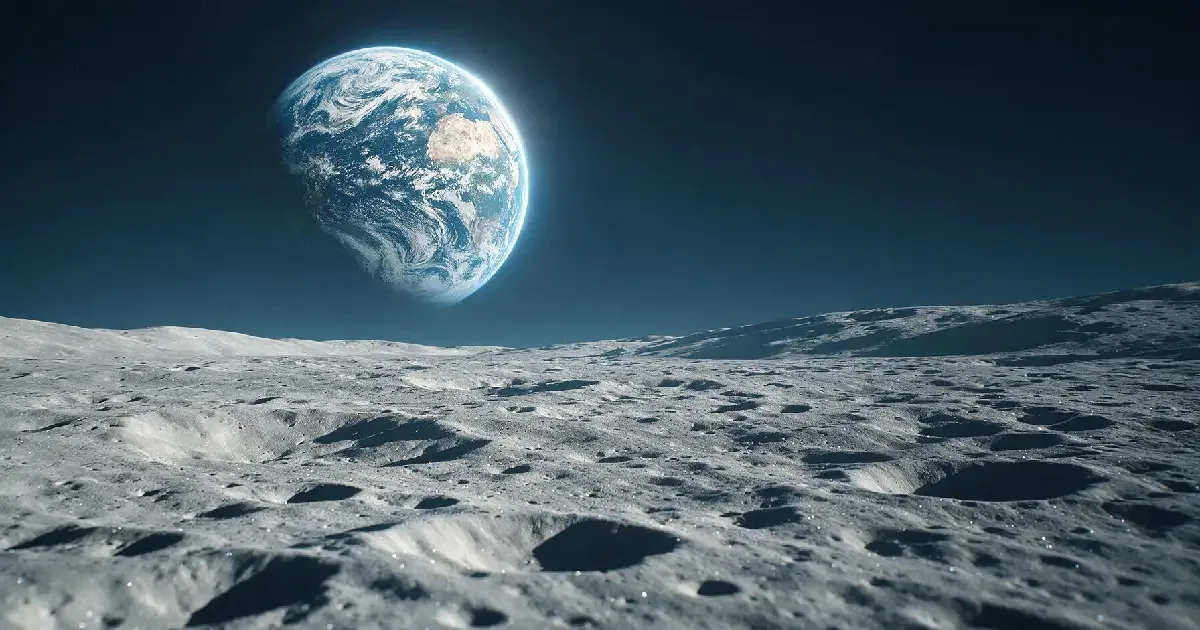
The ashen glow on a thin crescent Moon is sunlight bounced off Earth. Decades of measuring that earthshine revealed something unsettling: the planet is reflecting less light.
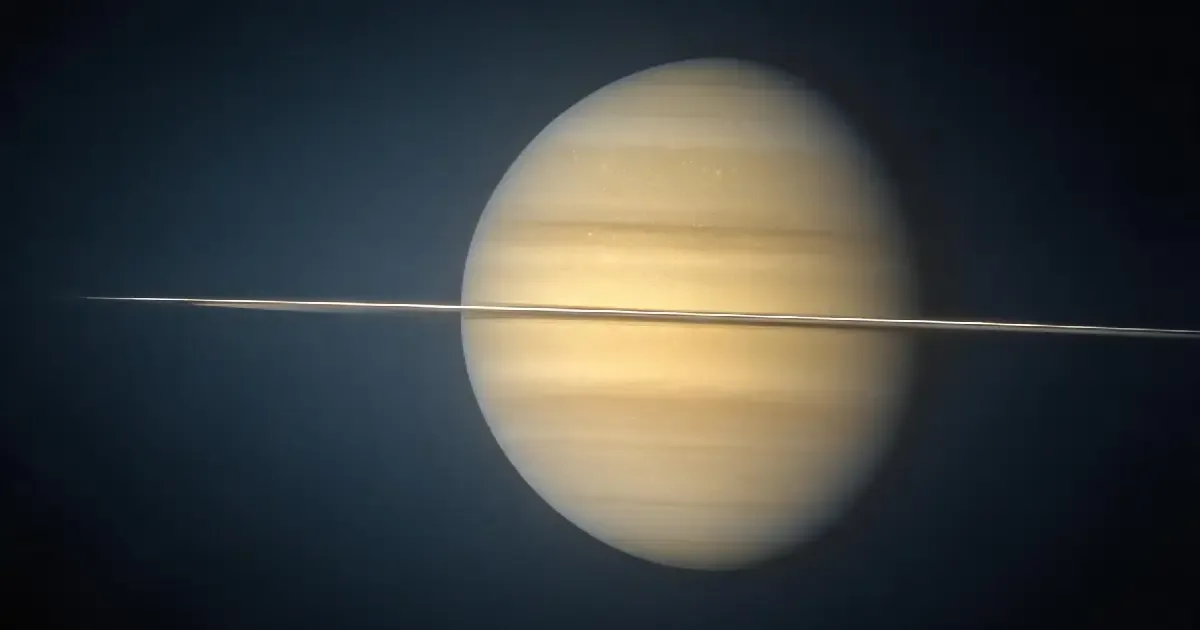
Saturn's main rings span about 273,600 km yet are typically only 10 meters thick. Run the math and the famous paper comparison undersells them by a factor of roughly 10,000.
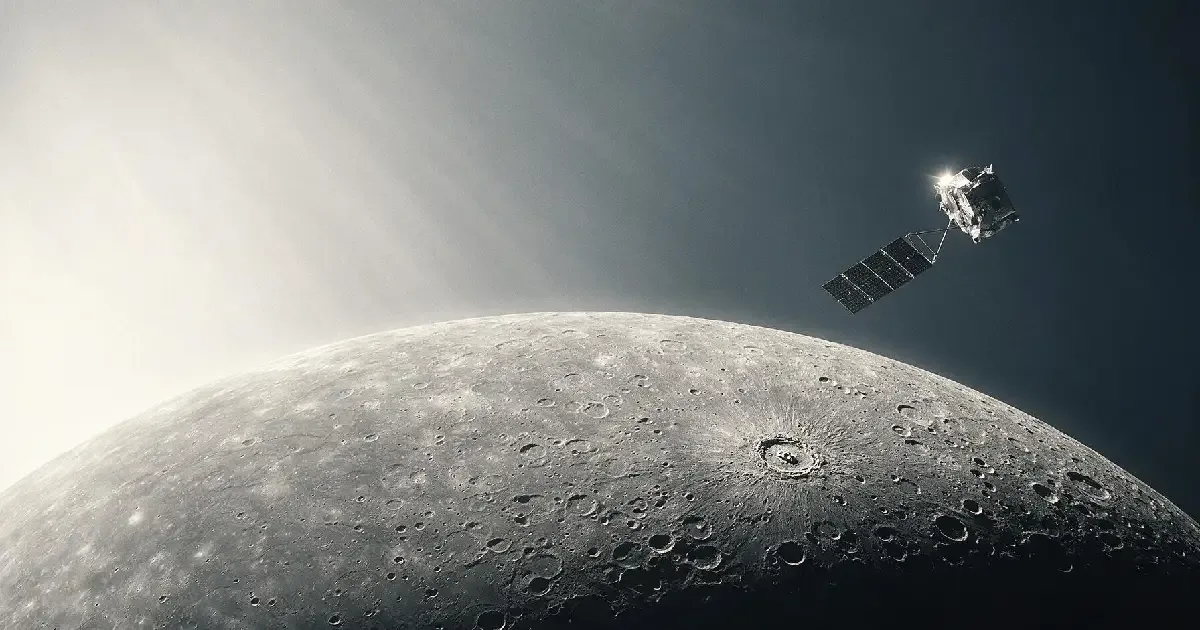
"Pluto is roughly twenty times farther away, yet BepiColombo needed eight years to reach Mercury. The culprit is braking, not distance, and it makes Mercury costlier to reach than Pluto.

On July 17, 2026, a 3-day-old crescent Moon pairs with brilliant Venus in the western twilight. They look like neighbors. They are separated by 139 million kilometres.

For the first time, the James Webb Space Telescope has directly characterized the surface of a rocky exoplanet, and what it found is a dark, basalt-covered world with no atmosphere — eerily similar to the Moon.

Earth leaks roughly 3 kg of hydrogen every second into space. It always has. Here's why that slow bleed is the difference between a living world and a dead one.

NASA's James Webb Space Telescope detected methane and carbon dioxide in the atmosphere of K2-18b — a temperate sub-Neptune 120 light-years away that may harbor a global ocean.

NASA's Dragonfly rotorcraft launches in 2028 toward Saturn's moon Titan — a world with methane lakes, a buried ocean, and chemistry that mirrors early Earth.

One galactic year ago — 225 million years back — the Sun occupied this exact region of the Milky Way. On Earth, the first dinosaurs had just taken their first steps.

NASA's Perseverance rover has uncovered wave-formed beaches and carbonate-rich rocks in Jezero Crater — the clearest evidence yet that Mars once had a stable, life-friendly lake shore.

JWST data suggests LHS 1140b may be a nitrogen-rich water world with a liquid ocean — making it the most promising habitable-zone exoplanet ever found.

White dwarfs are caught consuming their own planetary systems at an alarming rate. New JWST data reveals exactly how it happens — and confirms Earth faces the same fate in 5 billion years.

A Jupiter-sized planet orbiting a tiny M-dwarf star defies everything we know about planet formation — and JWST's atmospheric findings make it even stranger.

For the first time since Apollo, humans are orbiting the Moon — and seeing its hidden far side with their own eyes. Here's what the Artemis II crew witnessed.

New Juno data reveals Jupiter's lightning bolts may reach a million times the power of Earth's — fueled by ammonia storms over 100 km tall.